The Unseen Dynamics of Jueteng
Jueteng, a widespread and often controversial numbers game, has long been entrenched in the cultural fabric of the Philippines. With deep historical roots, this game has evolved beyond a mere pastime to become a complex socio-economic phenomenon. As the game continues to thrive, the enigmatic term '6HH' emerges as a significant keyword that unveils deeper nuances of this cultural phenomenon.R7.BET
Understanding the Jueteng Phenomenon
Jueteng is a form of illegal gambling that has remained popular among Filipinos across various demographics. The game's appeal lies in its simplicity: participants bet on combinations of numbers, with winning numbers typically drawn twice daily. Despite its illegality, Jueteng endures due to several factors, including economic hardship and the lack of accessible legal gambling alternatives for millions of Filipinos.
Jueteng's history dates back to the Spanish colonial era, yet its persistence in modern times is a testament to its deeply rooted appeal. The game is not only an avenue for potential monetary gain but also a reflection of broader societal issues such as poverty and the working-class struggle.
The Significance of '6HH'
The keyword '6HH' surfaces in discussions surrounding Jueteng, echoing the secretive and coded language often associated with underground activities. This code is believed to represent a specific set of numbers frequently appearing in the draws. It highlights the system's complexity, where specific combinations hold unique significance for both the bettors and operators.HH888
Code numbers like '6HH' are symbols of the intricate web of communication within the Jueteng community. These codes transcend mere betting as they manifest alliances, insider information, and sometimes even rivalry within the circles. Understanding them requires more than just deciphering digits; it demands a comprehension of the unspoken rules and relationships within the game.
Economic Implications
The economic implications of Jueteng are profound. For many impoverished communities, this game offers a sliver of hope and a chance at financial relief, however ephemeral it might be. The betting stakes are typically low, accommodating even those with limited financial means. Despite or perhaps because of its illegality, Jueteng thrives in economies where legitimate job opportunities and adequate social welfare are scarce.3NN
Alongside individual bettors, the game supports an entire network of cobradores (bet collectors) and cabos (handlers), generating informal employment that sustains thousands. In many cases, these jobs provide more consistent income than available legal employment, despite the inherent risks.
Jueteng's Socio-Political Landscape
The socio-political influence of Jueteng cannot be underestimated. It has played a pivotal role in Philippine politics, with allegations of colluding politicians profiting from the game surfacing throughout history. The intertwining of Jueteng with politics manifests in the provision of 'protection fees' paid to officials, ensuring the game continues unhindered.ERAJOGO
These dynamics suggest that Jueteng operates within a shadow economy that both challenges and complements the formal political structure. Politicians, whether complicit or combatant, cannot ignore Jueteng's influence on their constituency. As such, the conversation surrounding this illicit game often includes ethical and governance considerations.
The Cultural Impact
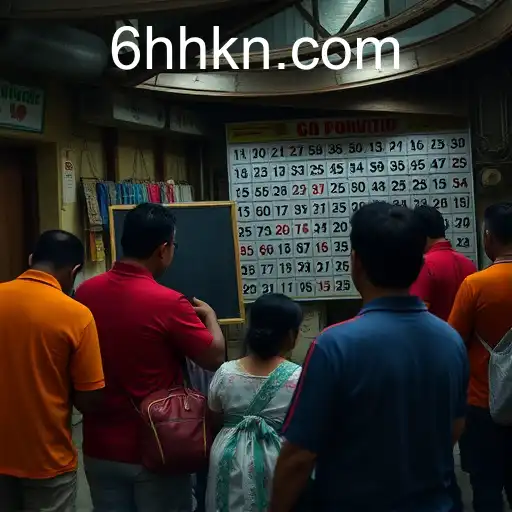
Beyond economic and political aspects, Jueteng's cultural footprint is considerable. It is woven into the tapestry of everyday life for many Filipinos. In some areas, the daily routine of checking numbers becomes a communal activity, fostering a sense of shared anticipation and hope.
While the authorities periodically conduct crackdowns on Jueteng, the game has embedded itself in the collective pysche. Even those who do not participate directly are often familiar with its mechanics and implications, making it a staple topic of conversation and media portrayal.
Challenges in Eradication
The persistent presence of Jueteng poses significant challenges to law enforcement and governance. Efforts to curtail it often run up against issues of corruption and resource limitations. Without addressing the underlying socio-economic catalysts such as poverty and unemployment, eradication efforts may only be superficial.7R7R
The coded networks symbolized by terms like '6HH' demonstrate just how deeply entrenched Jueteng is and how adeptly it can adapt to regulatory pressures. Policymakers face an uphill battle, often balancing between punitive measures and social interventions.
Conclusion: The Dance Between Tradition and Modernity
Jueteng represents more than an illegal numbers game; it is a complex interplay of tradition, necessity, and resistance within Philippine society. The narrative woven by Jueteng intersects with various domains, from economic survival to cultural identity. As the Filipino nation continues to grapple with modern challenges, finding a resolution to the issues posed by Jueteng remains a daunting task, particularly as the term '6HH' signifies deeper, more intricate dynamics at play.